





































Introducing a new puppy to your current dog is often an exciting process, and many dogs will become fast friends and eas...
Read MoreAdopt Me

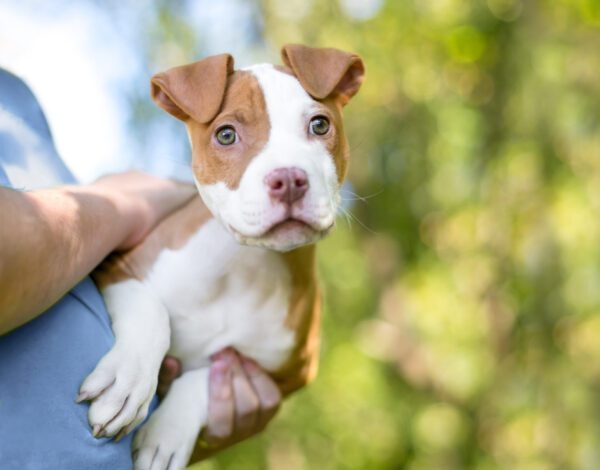
Adopting a dog can feel overwhelming, especially if you’re new to it. However, if you’re wondering how to adopt a pocket bully in New York, this guide will walk you through the steps clearly and simply.
Pocket bullies are small, muscular dogs with big personalities. Their compact size makes them great for apartment living, which suits many New Yorkers. They’re affectionate, loyal, and playful, traits that make them wonderful family companions.
Don’t let the name “bully” mislead you. These dogs are friendly and gentle, especially when raised in a caring home. With the right socialization, they usually get along well with kids and other pets.
Understanding a pocket bully’s daily needs is important. They need regular walks, mental challenges, and consistent training to stay balanced and happy. Some may face health issues, so learning about their care helps you stay prepared.
Adoption gives these dogs a fresh start, whether they come from a shelter, a rescue group, or a trusted breeder. Bringing a pocket bully into your life means being ready to support, train, and care for a loyal companion who will become part of your family. This guide explains everything you need to know about the adoption process, where to look, and what to expect along the way.
Pocket bullies have a compact, muscular build and are smaller than standard American bullies. Their broad, chunky heads and strong jawlines give them a sturdy, powerful appearance.
These dogs show deep loyalty and affection toward their families. They build strong bonds and display calm, gentle behavior, especially when indoors.
Though their tough appearance might suggest otherwise, pocket bullies are friendly and eager to please their owners. Their look often surprises people because it contrasts with their warm and sociable nature.
Pocket bullies are intelligent and respond well to training when owners apply consistent, positive reinforcement. They enjoy mental challenges and regular physical activity to stay balanced and happy.
These dogs show high intelligence and eagerly respond to training. When owners use consistent methods and positive reinforcement, pocket bullies become rewarding and well-behaved companions. They carry plenty of energy, enjoying playtime and walks, but they do not require intense or excessive exercise.
Taking them for two walks per day, combined with regular play sessions, keeps pocket bullies happy and satisfied. They have a strong and sturdy build, but it’s important to monitor their breeding carefully to prevent common health issues seen in bully breeds.

|
What Is a Pocket Bully’s Temperament?Pocket bullies combine strength with a gentle nature, making them highly sought-after companions. Their muscular, sturdy build does not reduce the deep loyalty and unwavering affection they show toward their families. They carry a calm and sweet demeanor that creates a peaceful presence. This breed eagerly seeks to please their owners and loves human interaction, forming strong and lasting bonds. |
How Active Are Pocket Bullies?Pocket bullies need moderate daily exercise. They usually require two walks each day, lasting between 30 and 60 minutes. They also enjoy play sessions and love interactive games like fetch or tug-of-war to burn off energy. Along with physical activity, mental stimulation plays an important role in keeping their minds sharp and engaged. However, avoid taxing excursions and extreme endurance activities, as these can overwhelm them. |
|
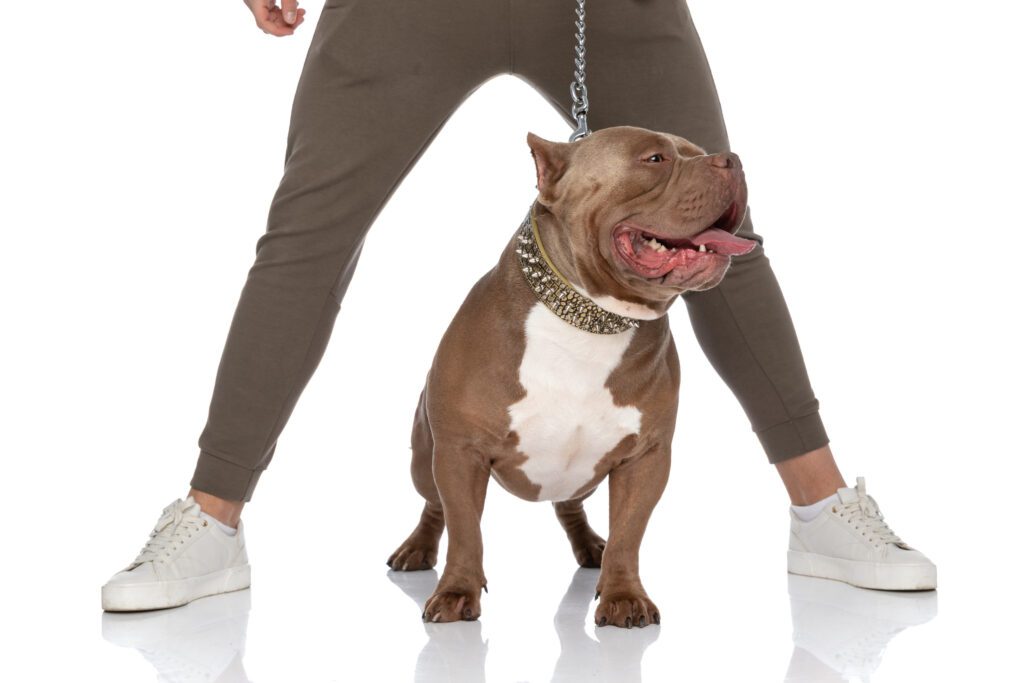
Pocket bullies have a compact, stocky build. They feature muscular, broad physiques in a smaller frame. Males usually stand between 14 and 17 inches (36 to 43 cm) at the withers, while females tend to be slightly shorter, ranging from 13 to 16 inches (33 to 41 cm).
As their name suggests, pocket bullies represent the smaller variety of the standard American bully, combining a powerful, robust appearance with a more condensed size.
Pocket bullies usually need occasional nail trims but don’t require extensive grooming routines. Their short, smooth coats benefit from weekly brushing with a soft brush or grooming mitt to remove loose hair and maintain shine.
They shed moderately throughout the year, with shedding increasing during seasonal changes. Regular nail care and trimming help prevent discomfort. It’s also important to clean and check their ears periodically to keep them healthy.
Pocket bullies often develop hip and elbow dysplasia, a genetic condition where joints don’t form properly, causing pain and mobility issues. They also face skin problems such as eczema, dermatitis in wrinkle areas, and other allergies, mostly linked to their genetic background.
Many pocket bullies experience Brachycephalic Airway Syndrome (BOAS). Their distinct flat faces can cause breathing difficulties, especially in hot weather or during vigorous exercise. Symptoms include snorting, wheezing, or labored breathing.
Eye conditions also affect pocket bullies. They can develop cataracts, which cloud the lens, entropion, where the eyelids roll inward, and cherry eye, the prolapse of the third eyelid gland.
Owners have to stay vigilant to monitor their pocket bully’s health closely. If you’re thinking about adopting one, be ready for these possible health issues and know how to handle them.
Pocket bullies usually live between 10 and 13 years. You can help them reach this lifespan by providing a balanced diet, consistent veterinary care, and a healthy lifestyle. Many factors influence how long they live.
While 10 to 13 years is the average, some pocket bullies may live longer or shorter lives depending on their genetic makeup, the preventive care they receive, and how well they maintain a healthy weight and stay active throughout their lives.
Pocket bullies remain calm, friendly, and affectionate, making them excellent family dogs. They show great tolerance and warmth when interacting with children. With proper training, they accept other dogs well, which helps them become quite social.
Despite their strong appearance, pocket bullies often have a gentle nature. They can live peacefully with cats, especially when introduced carefully at a young age.
Helping them socialize with people and other animals early on plays a big role in how well they get along later in life. Still, you should always supervise interactions with children and other pets to keep everyone safe.
Pocket bullies can be a great choice for dedicated first-time owners. If you’re new to dogs but committed to training and socialization, this breed responds well to firm, positive, and consistent guidance. Their muscular build means they need hands-on attention. They’re not a breed to handle casually or ignore.
New owners benefit from training classes or advice from experienced handlers to manage and understand their strong personalities. Without commitment and consistency, pocket bullies can become difficult to manage, leading to problems with behavior and loyalty.
First, you submit an application form with details about your living situation, pet experience, and lifestyle. Next, a shelter or rescue organization conducts an interview and screening, either in person or by phone. They may also run background checks, contact your vet for references, or conduct home visits to confirm your environment suits the dog.
After that, you meet the dogs you’re interested in, sometimes more than once, to see if you’re a good match. Then, you sign an adoption agreement that spells out your responsibilities and the organization’s terms.
You pay an adoption fee that helps cover the animal’s care, including vaccinations and spay or neuter surgery.
Once all the paperwork is complete, you bring your pocket bully home, a moment your family will treasure forever.
You can adopt pocket bullies in New York at a range of prices. Adoption fees usually fall between $50 and $800, though some popular breeds, puppies, or senior dogs may be more expensive. These fees mostly cover important initial veterinary care like spaying or neutering, vaccinations, deworming, microchipping, and health checks.
Several factors influence the fees, including:
When you pay an adoption fee to bring a pocket bully home in New York, you also support shelters and rescues. This money helps cover the costs of food, housing, and medical care, allowing them to care for more animals in need.
You need to treat pocket bullies with care, using positive reinforcement training. Pocket bullies respond strongly to reward-based methods that tap into their eagerness to please. Using high-value treats or favorite toys motivates them well.
Consistent and focused training plays a major role in building a strong bond between your family and your pocket bully. Because they are smart and can be stubborn, you have to start training early to set clear boundaries and reinforce good behavior.
For structured lessons and expert guidance, check out online platforms like Dog Academy’s training resources, which promote positive reinforcement techniques.
Before adopting a pocket bully in New York, take the time to learn about their unique mix of loyalty, gentle temperament, and moderate needs to see if they fit your lifestyle. Stay consistent with training and focus on socialization. Positive, steady, and dedicated reinforcement training helps build a well-adjusted companion, especially if you’re a new dog owner.
To adopt the right pocket bully in New York, gather information from trustworthy sources. Prioritize adoption through reputable New York shelters or breed-specific rescues that perform health screenings, share transparent histories, and conduct behavioral assessments. This approach helps you bring home a healthy, well-matched companion.

Introducing a new puppy to your current dog is often an exciting process, and many dogs will become fast friends and eas...
Read More
Rescue dogs can make great companions and can transform your home into something better. These dogs make great pets and ...
Read More
You should never rush to pet a dog. Even dog owners make the mistake of approaching unfamiliar dogs and petting them rig...
Read More
Puppy mill dogs are survivors who have endured extreme hardships in their lives. They have grown up in horrendous, unsan...
Read More
With their wagging tails and comforting presence, adopting a dog can add a unique touch to your life. It’s a heart...
Read More
Older dogs may have a few gray hairs around the edges, but that doesn’t mean they can’t make wonderful companions! T...
Read More